SurveyTech Florida Blog
Solar in South Florida: High Irradiance, Fast Degradation, and What Thermal Sees
August 8, 2026 · 3 min read · First published on the SurveyTech Florida LinkedIn page
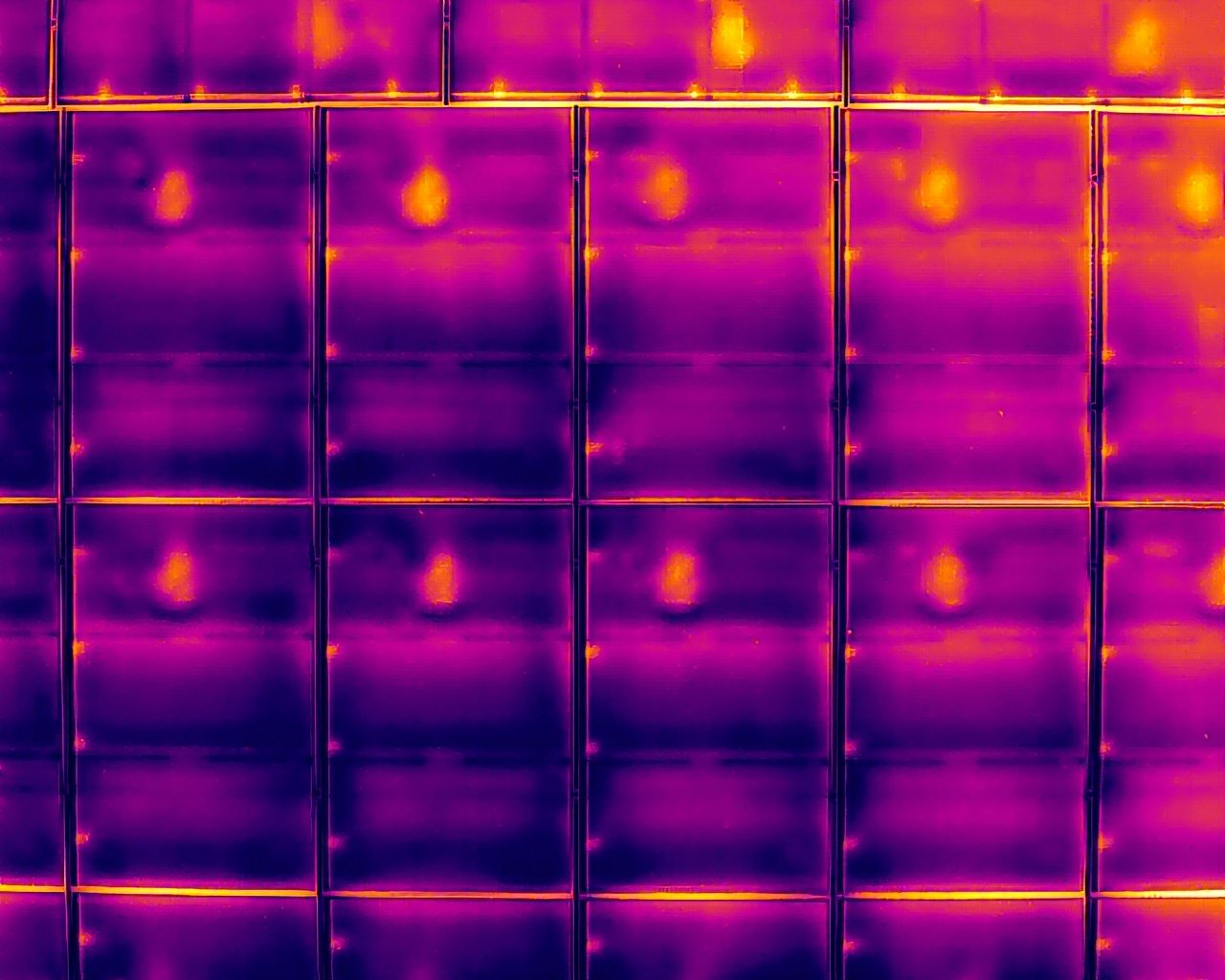
South Florida's irradiance levels are among the highest in the country. That is the good news.
The bad news is that the same heat and humidity driving panel output also accelerate degradation. Hotspots, delamination, bypass diode failures, and soiling losses compound quietly over time. String-level monitoring tells you something is wrong. It does not tell you where or why.
Module-level thermal inspection does.
What one flight delivers
- →A full-array thermal map identifying every underperforming module
- →Radiometric data with GPS coordinates for targeted repair
- →Visual imagery documenting physical damage and soiling
- →A prioritized findings report, aligned to IEC 62446 methodology
- →Baseline documentation for O&M records and warranty claims
Processing combines radiometric analysis with AI-assisted anomaly classification, and every finding is reviewed by the pilot in command before it reaches the report. Anomalies are labeled by type and confidence: a hotspot, a suspected diode failure, and a soiled string each call for a different response, and the report says which is which.
Who uses it
Solar developers and EPCs commissioning new arrays. Asset managers and O&M providers running annual condition programs. Commercial and industrial system owners protecting production. Installers supporting warranty claims with documented evidence. Multi-site programs are available for portfolios.
Residential systems benefit from the same method: a single pass captures the array and the roof around it, which matters in a market where the roof under the panels is often the real question.
Put aerial data on your next project
Tell us the property type, the city, and what decision the data needs to support. We reply with a scoped quote, usually the same business day.